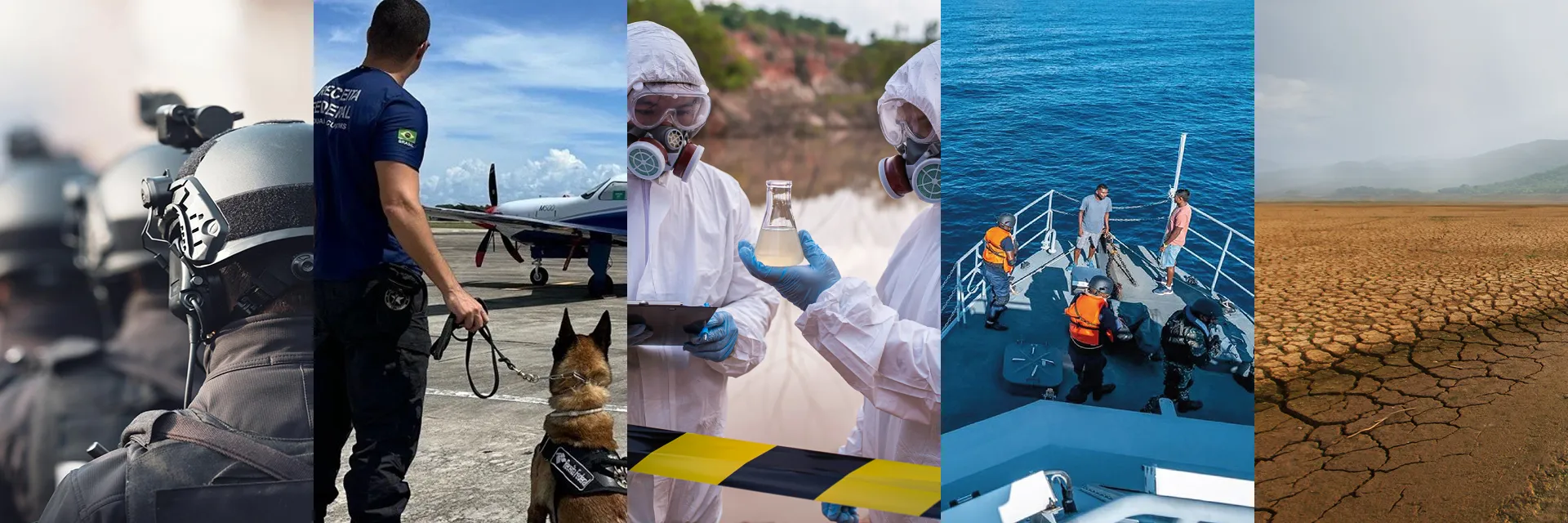
The EU Global Threats programme is one of the European Union’s key initiatives to tackle major security threats around the world: from terrorism, organised crime, cyberattacks, and threats to maritime security, chemical, biological, radiological and nuclear (CBRN) risks, and growing security risks linked to climate change.
Through a wide range of projects and facilities, we support partner countries and communities in building stronger institutions, preventing crises and promoting long-term peace and stability. The EU Global Threats programme is managed by the European Commission’s Service for Foreign Policy Instruments (FPI), putting EU foreign policy into action.

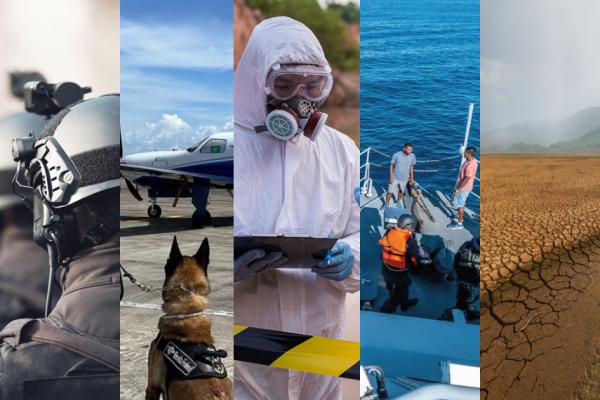
The EU Global Threats programme covers five key threat areas.

The EU Global Threats programme is promoting peace and stability through multiple projects.
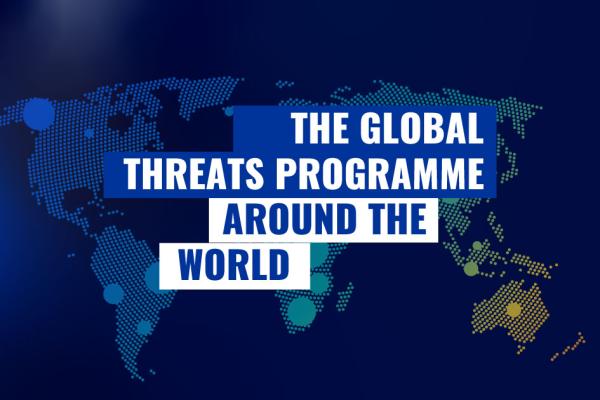
Threats don’t stop at borders. Discover where the EU Global Threats programme is active.
Visual stories
On 26 April 1986, the Chornobyl disaster released radioactive material across Europe, leaving deep scars on communities and the environment. Yet from this tragedy emerged a critical lesson: CBRN (Chemical, Biological, Radiological, and Nuclear) risks know no borders, and only through cooperation can we prevent and prepare for such threats.
Over the past 15 years the EU has turned those lessons into action. Through the EU CBRN Risk Mitigation Centres of Excellence, the EU has built a global network across 63 countries, united by a shared vision: global cooperation, responsible innovation, and adaptive governance.
In the spotlight
Each month, we feature one project from the EU Global Threats programme in our In the Spotlight section. This way, we highlight how EU action impacts people’s lives and translates into meaningful change on the ground.
This month, we’re focusing on EU CRIMARIO III, a multi-regional project strengthening maritime security across the Indian Ocean, Southeast Asia and beyond. Building on the IORIS information-sharing platform, the project enhances maritime domain awareness, inter-agency cooperation and operational coordination to counter piracy, armed robbery at sea, drug trafficking and other maritime threats.

Event highlight
The EU Crime Fighting Week 2026 brought partners together in Brussels to examine latest trends in organised crime and discuss how to ensure rule-of-law approaches and tech savvy responses. A week focused on action, trust and the rule of law. Fighting organised crime is not only a matter of enforcement, but also of legitimacy, public trust and institutional resilience.


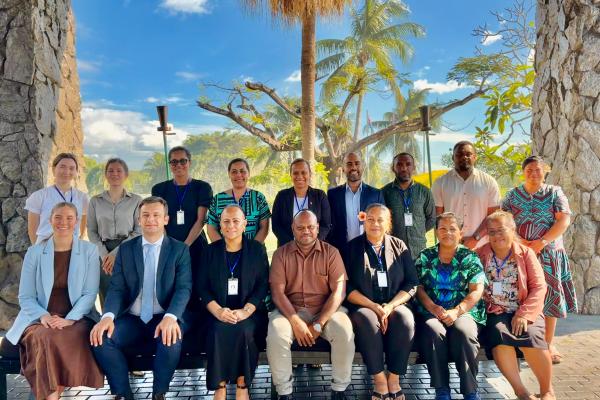
Following a collaborative process between the GLACY-e project and Pacific Islands Law Officers' Network (PILON), legal experts from ten Pacific nations met for the final session to complete the Cybercrime Legislation Implementation Handbook, a practical guide for the cybercrime law reform.
- Threat area
- Fight against Organised Crime
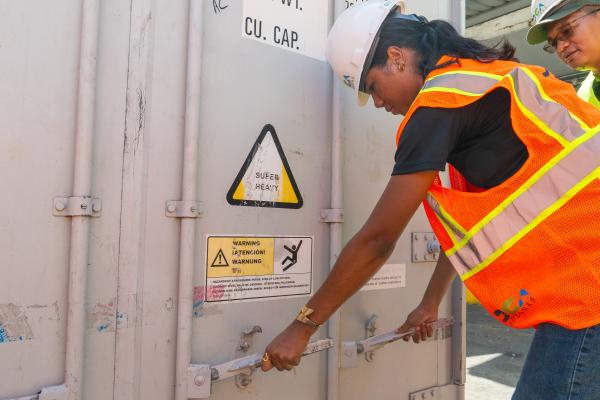
Along the transatlantic corridor linking Latin America and the Caribbean, West Africa and Europe, criminal networks exploit both direct maritime routes and transshipment hubs to move illicit commodities within legitimate trade flows.
- Threat area
- Fight against Organised Crime
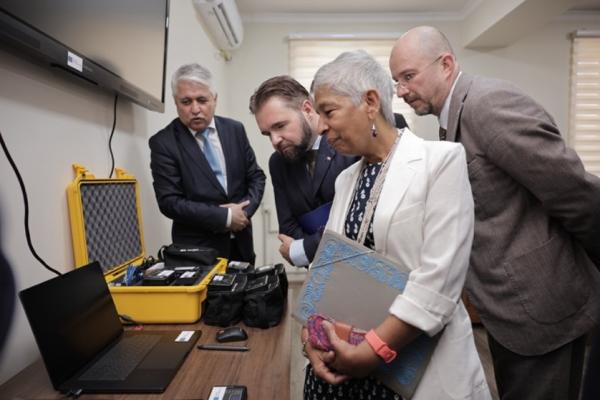
Through the EU–UN Global Terrorism Threats Facility, the European Union and the United Nations is partnering with Tajikistan to strengthen national capacities to investigate and prosecute terrorism-related offences involving digital evidence.
- Threat area
- Counter-Terrorism, Prevention of Violent Extremism
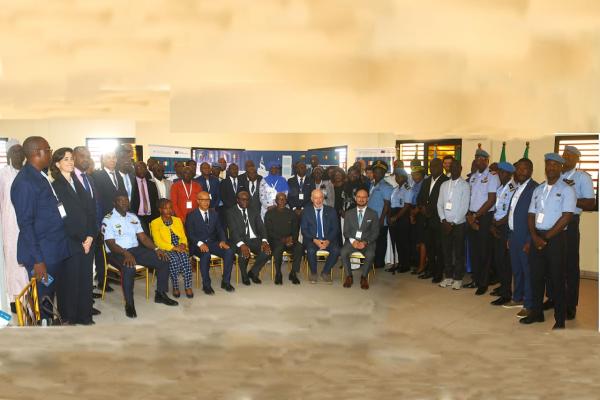
The regional Tabletop Exercise “Radioactive Vehicle” brought together four Partner Countries from the African Atlantic Façade region to strengthen national and regional preparedness, coordination, and interoperability in responding to CBRN risks.
- Threat area
- CBRN Risk Mitigation
- EU CBRN CoE Region
- AAF - African Atlantic Façade

How can frontline officers better detect fraudulent travel documents used by criminal networks? A regional AIRCOP training in Bolivia strengthened the skills of officers from four South American countries to identify document fraud and high-risk passengers.
- Threat area
- Fight against Organised Crime