

Environmental crime is estimated as the world’s third most lucrative form of transnational crime, generating up to USD 281 billion annually and threatening both biodiversity and global security. A challenge that SEACOP analysed in a comprehensive report that was officially unveiled in a dedicated webinar.
The event, which brought together experts from Latin America, West Africa, the Caribbean and Europe, highlighted the growing threat of natural resource trafficking, its complex ties to the web of organised crime and drug trafficking and how maritime expertise can support global efforts to combat it.
A 2 Trillion USD Criminal Enterprise
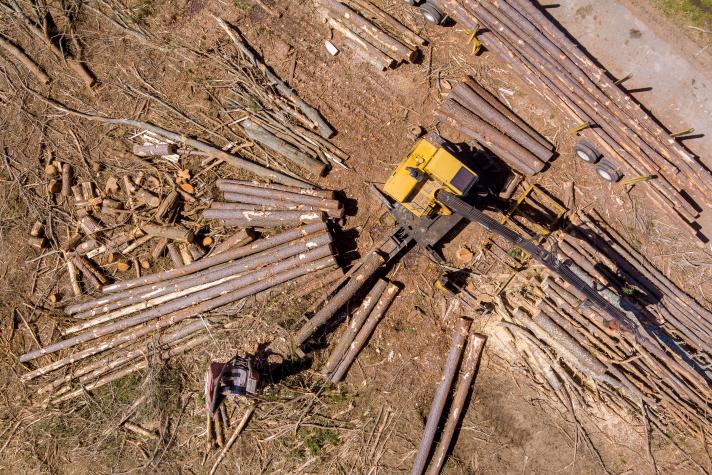
Up to 2 trillion USD annually, rivalling global drug trafficking. One-third of the entire world's timber trade potentially illicit. Shipping containers concealing everything from rosewood to pangolin scales crossing the Atlantic. The SEACOP report revealed an underworld of natural resource trafficking, with staggering figures that position environmental crime as one of the world's most lucrative illegal trades.
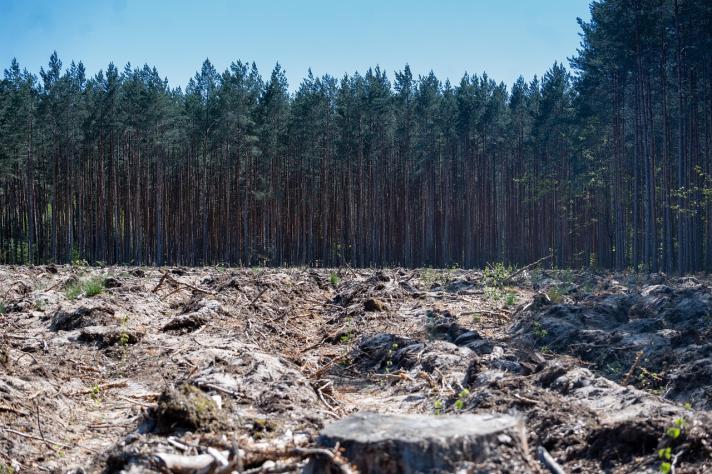
"Environmental crime is estimated to be valued at between one to two trillion dollars per year," explained Sarah Gluszek, environmental crime consultant for SEACOP, during her presentation. "This only considers illegal logging, fishing and wildlife, so it doesn't even look at other types of mineral resources or other types of harms."
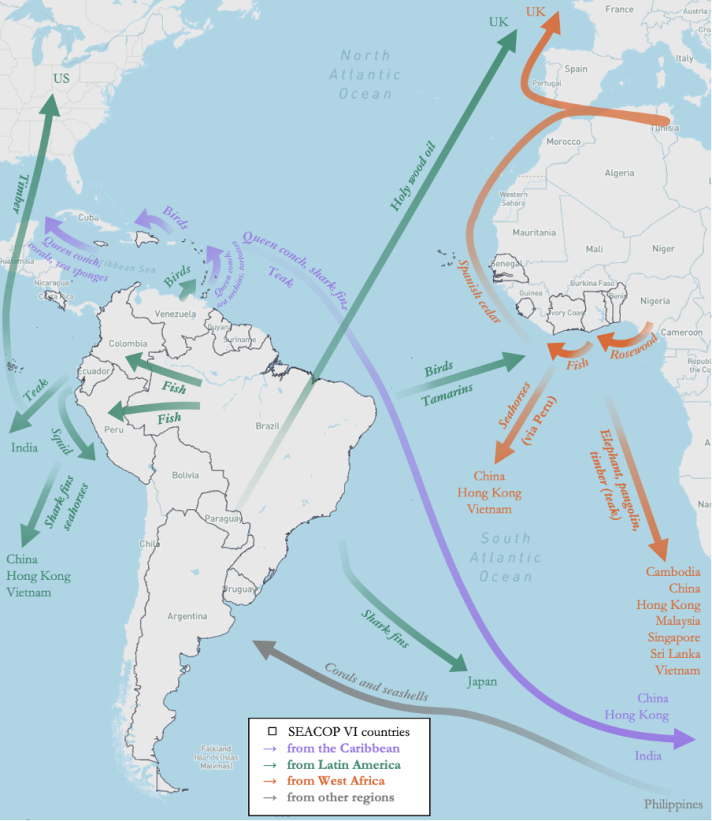
The assessment, which gathered data from 21 of SEACOP's 31 partner countries, documents widespread trafficking of timber and marine species across all three regions, primarily transported in shipping containers for long-distance travel. The investigation uncovered how illegal activities in wildlife, forestry and fisheries sectors are increasingly linked to broader criminal economies. As environmental products move through illicit networks, they often intersect with narcotics trafficking, corruption, money laundering and maritime smuggling routes.
Environmental crime is not only a direct threat to biodiversity and ecosystems, but also to governance, stability and prosperity. This is why the European Union supports initiatives such as SEACOP that help strengthen collective resilience and capacity in the fight against these crimes.
Connecting Environmental Crime to Organised Networks
The report highlighted crucial links between environmental trafficking and other serious crimes. Seizure data revealed connections to drug trafficking in Brazil, money laundering in Peru, and fraud in Brazil and Togo, while corruption was identified as present across all three regions' maritime trafficking operations.
"One of the challenges is that people usually remain focused on environmental criminality but not on what is being done afterwards and how it feeds criminality worldwide and associated crimes," noted Dominique Bucas, Director of SEACOP. He stressed that environmental crime "seriously affects the environment and the social structures and the economies as well as the public order."
The assessment identified common red flags for detection, including fraudulent permits, false cargo declarations, suspicious payment methods, abnormal shipping routes, disabled tracking systems, and the use of free trade zones. Głuzczek noted that manufacturers, freight forwarders and importers required particular attention: "With environmental crime, such as with timber trafficking, there is a tendency to launder illicitly gained natural resources into the legal trade."
SEACOP's Expanded Role and Practical Recommendations
While acknowledging that SEACOP will not become a specialist environmental crime programme, Bucas outlined the project's strategic contribution: "By its geographical coverage -30 countries across Latin America, the Caribbean and West Africa- as well as its inter-regional and international approach to the phenomenon, SEACOP can play a role to assist those working in this field. We can share our expertise in maritime criminality -rummage, intelligence, information sharing- and the successful methods we’ve developed to apply them to the fight against environmental crime."
The report, supported by SEACOP’s network of maritime partners, aims to provide a foundation for integrated responses that bridge environmental, security and development concerns. Key recommendations include hosting introduction webinars to expand regional collaboration, developing awareness training on concealment methods used by environmental crime traffickers, and facilitating information sharing on detection indicators.
The report also proposes practical inspection protocols for fishing vessels, sailboats and shipping containers, and recommends evaluating detection technologies such as Xylotron for wood identification.
In addition to the report, SEACOP VI has designed two new training modules to help operational actors better understand and respond to environmental crimes encountered in maritime contexts. These modules complement the project’s established work on counter-narcotics and organised crime, broadening its scope without diluting its core expertise.
"It is necessary to cooperate internationally, but also among projects that are working on this issue, and platforms like EMPACT " Bucas concluded. "Each project covers one side of the problem and has one portion of the picture. Coming together, we will be able to provide a more effective response."
More info on SEACOP
A flagship project of the EU Global Threats programme, SEACOP aims to contribute to the fight against illicit maritime trafficking and associated criminal networks in targeted countries of Latin America, the Caribbean and West Africa, consistent with human rights, in order to alleviate its negative impact on security, public health, the environment and socio-economic development. Since 2010, SEACOP has been working with relevant authorities in these regions, in close cooperation with EU agencies fighting transnational crime and ensuring border security.
Learn everything about the SEACOP project here.
- Publication date
- 6 October 2025 (Last updated on: 6 October 2025)
- Threat area
- Fight against Organised Crime