

Environmental crime is one of the fastest growing areas of serious criminal activity. It damages ecosystems, fuels corruption, enables violence, and affects both the places where nature is being destroyed and the international spaces where responses are shaped.
ECO-SOLVE, a European Union-funded programme, contributes to EU Crime Fighting Week 2026 by bringing these two dimensions together through two visual stories: one from La Macarena, Colombia, and one from the Third Security and Development Dialogue on Environmental Crime, held in Paris in 2025.
In La Macarena, Meta, one of Colombia’s most biodiverse regions, rural and campesino communities are facing pressures linked to deforestation, illegal logging, land clearing and other illicit economies.
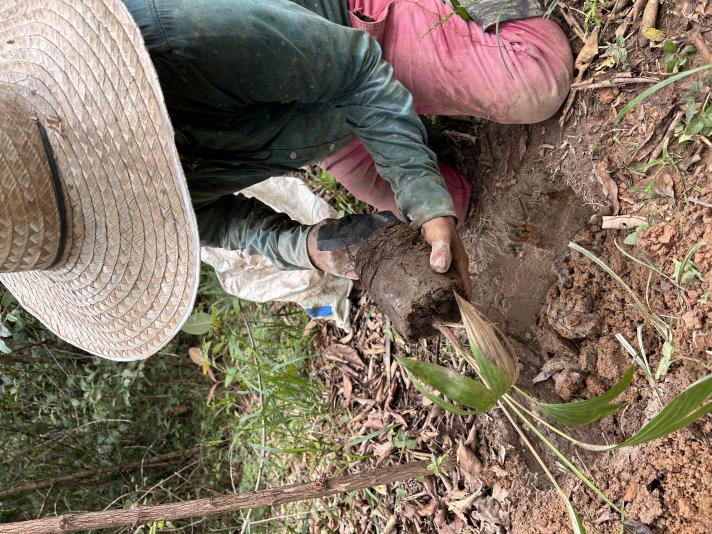
Through the ECO-SOLVERS campaign, the project highlights the people taking action where environmental crime is causing direct harm. A community-managed area of 80 hectares is being transformed into a living classroom, where students, teachers and residents learn to protect the forest through native species reforestation, biodiversity monitoring and sustainable ecotourism.
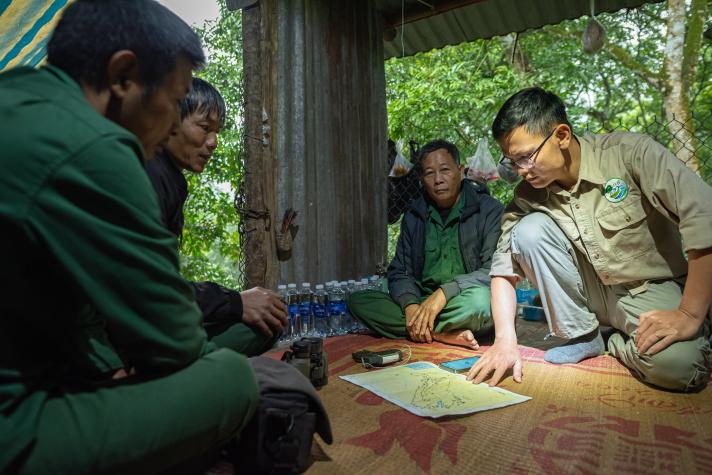
An upcoming ECO-SOLVERS story from Vietnam will highlight local patrol teams protecting the endangered Delacour’s langur in Hương Sơn Forest, showing how community action can defend threatened species before they disappear.
The Paris dialogue reflects the other side of the response: turning international concern into coordinated action. It brought together governments, international organisations and partners to identify common priorities, build political momentum and define practical entry points for a stronger global response.
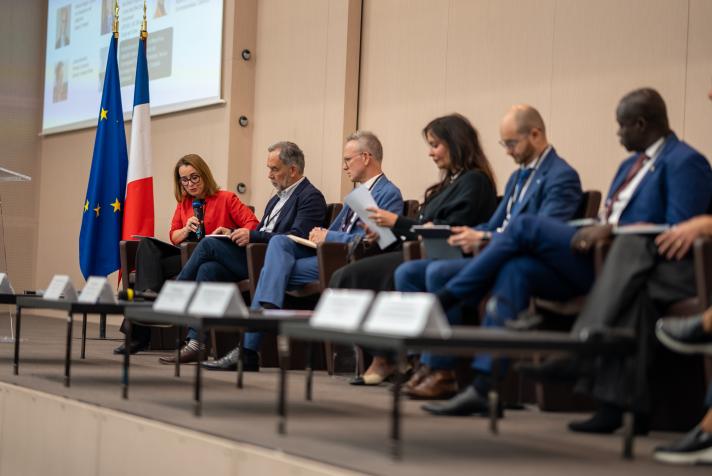
The dialogue also laid the groundwork for engagement in key multilateral processes in 2026, including the CCPCJ, discussions around a possible Fourth Protocol to the UN Convention against Transnational Organized Crime on crimes that affect the environment, and the 15th United Nations Congress on Crime Prevention and Criminal Justice.
Together, these initiatives show that lasting responses to environmental crime depend on both international cooperation and action led from the ground by those most affected.
About ECO-SOLVE
ECO-SOLVE is an EU-funded project within the Global Illicit Flows Programme, strengthening action against environmental crime by connecting data, technology, political engagement and community experience.
Through its Global Monitoring System, ECO-SOLVE links AI-enabled data hubs in key countries to monitor illicit online wildlife markets, support law enforcement capacity, and generate evidence for global policymaking.
The project brings this evidence into multilateral spaces to build political will and support more coordinated international responses to environmental crime.
ECO-SOLVE also works with affected communities and partners through a strategic grant facility, incorporating local insights into counter-crime strategies, supporting community resilience, and funding targeted initiatives, including innovations linked to AI image recognition and DNA sourcing technologies.
- Publication date
- 15 June 2026
- Threat area
- Fight against Organised Crime
- Events
- EU Crime Fighting Week 2026